



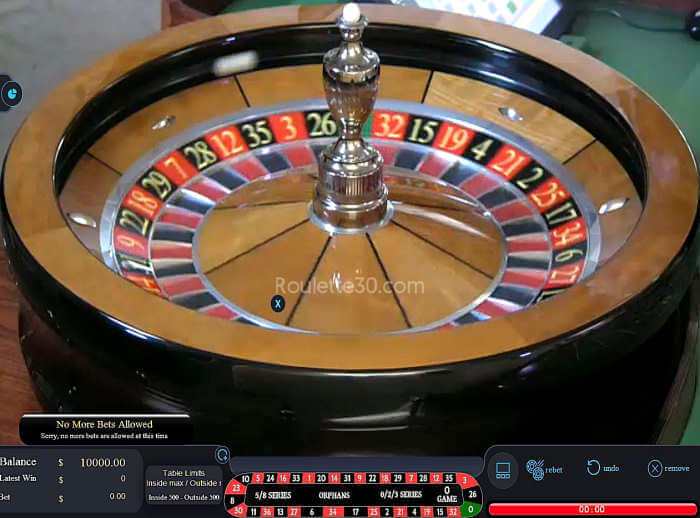
When you’re sitting at the roulette table, liveroulettegame, you might notice patterns emerge from past results, and you’re not alone. Many players begin to interpret these indications, thinking they can predict the next outcome. But how dependable are these analyses? Comprehending the importance of historical data in your betting strategy could alter your method entirely. Let’s explore how to harmonize strategy and chance, and what you really should think about next.
Key Takeaways
- Analyzing historical data uncovers trends like hot numbers and repeating patterns that can inform betting strategies in UK live roulette.
- Players should track the occurrence of specific numbers to determine which have been hitting more often, assisting decision-making.
- Observing clusters of high or low numbers can suggest potential hot streaks, suggesting when to place calculated bets.
- The switching of red and black outcomes can signal trends in the game’s behavior, impacting bets based on observed patterns.
- Awareness of cognitive biases, like gambler’s fallacy, assists players maintain a rational mindset when analyzing roulette results.
Comprehending Live Roulette: The Fundamentals
Live roulette is an exhilarating game where the spin of a wheel can draw you into a world of chance and strategy. You’ll see yourself sitting at a vibrant table, observing as the croupier asks you to make your bets.
Each round offers various betting options, from straightforward straight-up bets on a single number to more intricate bets on colors or groups of numbers. Understanding the layout of the table is essential; you’ll note the various sections for inside and outside bets.
Timing is key; you need to bet before the croupier spins the wheel. As the ball drops and the anticipation grows, keep in mind that luck plays a big role, but strategy can also enhance your enjoyment and outcomes.
Start playing!
The Significance of Historical Data
Historical data has a essential role in comprehending patterns and trends in roulette outcomes. By studying this data, you can acquire insights that may enhance your gameplay strategy.
- Identify streaks, whether they’re winning or cold.
- Ascertain which numbers are often hit.
- Notice betting trends over time.
- Examine the success of previous strategies.
Using past data isn’t just about examining numbers; it’s about grasping how the game functions. You’ll find that some outcomes might repeat more than anticipated, and noticing these patterns can offer you a minor edge.
This grasp isn’t foolproof, but it can be a beneficial tool in taking more informed decisions at the roulette table.
Common Patterns Seen in Roulette Results
When you dive into roulette outcomes, you’ll observe a variety of common patterns that can appear over time.
One trend you might identify is the recurrence of numbers, where certain digits appear to appear more often than others. Moreover, you may observe clusters of high or small numbers hitting in succession, indicating potential hot streaks.
Another pattern to monitor is the shifting between red and black, as you might see sections where one https://www.ibisworld.com/industry-statistics/market-size/casino-hotels-united-states/ color prevails for several spins.
There’s also the event of “due” numbers, where players think certain numbers haven’t shown up in a while, creating a sense of anticipation.
Recognizing these trends can increase your participation with the game and give insights into betting decisions.
Strategies for Examining Historical Outcomes
Spotting patterns in roulette outcomes can set the stage for more detailed analysis of past results.
To successfully study these outcomes, contemplate using a few strategies that sharpen your focus:
- Track occurrence of numbers that appear over time.
Psychological Factors in Pattern Interpretation
While analyzing past roulette outcomes can show fascinating trends, it’s important to acknowledge the psychological factors that influence your interpretation of these patterns. You might find yourself seeing connections where none exist, a phenomenon known as apophenia.
This tendency to create meaning from randomness can cause you to place bets based on perceived patterns, even when each spin is independent. Additionally, cognitive biases, like the gambler’s fallacy, can distort your judgment; you might believe that past results determine future outcomes.
Understanding these psychological traps can enable you maintain a more reasonable approach to betting. By remaining aware of your own thought processes, you can more effectively navigate the complexities of roulette and use your insights more effectively.
The Role of Randomness in Roulette
Many players miss the fact that roulette is fundamentally governed by randomness. This means that every spin is independent and unpredictable, which can significantly impact your gameplay.
Understanding this randomness can help you move your focus from chasing patterns to savoring the game for what it truly is.
Reflect on these key points:
- Each spin has no link to previous or future spins.
- Randomness guarantees that no strategy promises consistent wins.
- Emotional responses can cause you to misinterpret results.
- Accepting randomness can boost your overall gaming experience.
Tips for Integrating Analysis Into Gameplay
Integrating examination into your gameplay can enhance your roulette experience, bringing a new level of participation and enjoyment. Start by monitoring patterns from live results; jot down numbers, colors, and outcomes. This helps you detect trends, even if they’re purely coincidental. Use these insights to modify your bets strategically, focusing on hot and cold numbers based on your observations.
Next, integrate this analysis with your intuition. While numbers are essential, your gut feeling can guide your decisions, too. Set specific goals for each session, and review your performance afterward to refine your strategy.
Finally, keep a disciplined bankroll approach—this way, you can sustain your game while utilizing your analytical skills effectively. Enjoy the thrill of the game while involving your analytical mind!
Frequently Asked Questions
Can Live Roulette Results Predict Future Outcomes Accurately?
Live roulette results can’t predict future outcomes accurately. Each spin is independent, and randomness dominates the game. Relying on past results might guide you to false conclusions, so it’s best to play responsibly and enjoy the thrill.
What Are Common Misconceptions About Roulette Patterns?
Many folks believe past spins influence future outcomes, thinking patterns exist. In reality, roulette’s outcomes are independent events, and randomness doesn’t guarantee a win. Don’t fall for the myth that past results predict future spins.
How Do Casinos Influence Live Roulette Gameplay?
Casinos affect live roulette gameplay by adjusting wheel mechanics, using biased equipment, and managing game speed. They create an environment that encourages you to bet more, often leading you to chase losses and take risks.
Are There Specific Times When Roulette Outcomes Change?
Roulette outcomes don’t change depending on specific times; they are random with every spin. You may notice trends, but they are just flukes. Each round functions independently, so anticipate the identical odds irrespective of time intervals.
What Resources Are Available for Examining Live Roulette Results?
You’ve got several tools at your disposal for examining live roulette outcomes. Think about using applications, analytical frameworks, or mobile apps designed for monitoring outcomes and trends to enhance your understanding and strategies efficiently.
Conclusion
In summary, while interpreting signs from previous live roulette results can bring excitement to your gaming experience, it’s important to remain conscious of unpredictability and mental biases. By understanding the fundamentals, identifying patterns, and keeping psychological factors in control, you can improve your betting approach. Remember, roulette is essentially a game of chance, so savor the experience, gamble responsibly, and let your evaluation guide rather than dictate your choices at the table. Happy spinning!